
Science Meets Storytelling
Through my writing, I explore how digital spaces shape mental health, trauma, grief, and resilience—particularly for youth and adults of color. I blend rigorous academic research with accessible, human-centered storytelling to elevate underrepresented voices and drive community-centered innovation.



Explore My Work

Academic Publications
Peer-reviewed studies that explore the digital lives of marginalized communities, advancing knowledge in social work, data science, and public health.

Articles and Essays
Essays that reflect on digital grief, emotional well-being, and the intersections of race, identity, and online life.

Media Features
Appearances and commentary in major media outlets unpacking how social platforms affect the emotional and social realities of people of color.

Spotlight on Impact


Digital Narratives of Grief and Resilience: Insights from the Integrating Emotional Stories Online (IESO) Platform
This interdisciplinary study examines how Black Harlem residents and New York City university students use social media to express grief and daily stress. Using the Integrating Emotional Stories Online (IESO) platform, researchers collected anonymous posts and analyzed them with qualitative and computational methods. Findings revealed four main themes: interpersonal grief, systemic grief, everyday stressors, and practices of self-care and joy.



Access My Writing

To Make Good Policy on AI, Talk to Social Workers
This article urges U.S. policymakers to collaborate with social workers when crafting AI regulations in order to ensure that emerging technologies remain ethical, inclusive, and protective of marginalized communities.

Social Work in Data Science: Tech Policy Gaps and Addressing Harm
This brief highlights major federal gaps in regulating artificial intelligence, calls for the inclusion of social workers in data science to address issues like biased pretrial risk assessments and facial recognition, and urges policies that ensure ethical, inclusive, and human-centered technology.

Small becomes big, fast: Adolescent perceptions of how social media features escalate online conflict to offline violence
This study explores how adolescents in underserved neighborhoods perceive social media features such as livestreaming, comments, and photos as mechanisms that transform online slights into offline violence while showing how small conflicts can escalate rapidly in digital spaces.

Racial microaggressions in social work education: Black students’ encounters in a predominantly White institution
This qualitative chapter, published in September 2020, explores how Black Master of Social Work students experience daily racial microaggressions in a predominantly White institution and introduces a Racial Microaggressions Interaction Framework to capture the socioemotional impact while underscoring the need for culturally relevant competence in social work education.

Social Media Representations of Law Enforcement within Four Diverse Chicago Neighborhoods
This study analyzes social media posts from four ethnically and socioeconomically diverse Chicago neighborhoods and identifies themes such as law enforcement presence, community participation, immigration, political protest, and Black Lives Matter while showing that a significant trust gap remains between police and communities of color.
Author Correction: When Twitter Fingers Turn to Trigger Fingers: a Qualitative Study of Social Media-Related Gang Violence
This qualitative study examines how Black gang affiliated youth in Chicago interpret social media tensions by identifying disrespect, verbal challenges, and explicit threats as online communication that can escalate into real world violence while stressing the importance of cultural context for understanding these interactions.
You Set Me Up: Gendered Perceptions of Twitter Communication Among Black Chicago Youth
This study draws from interviews with Black and Latino young men in Chicago who have experienced gang violence and finds that they often view interactions with girls and young women on Twitter as starting with friendly or romantic intent but escalating into real world threats, showing the importance of addressing gendered narratives in violence prevention strategies.

Social work thinking for UX and AI design
This forum essay proposes adding social work ethics and perspectives into the design of user experiences and artificial intelligence in order to anticipate technology’s effects on diverse communities and ensure that human values guide design choices .
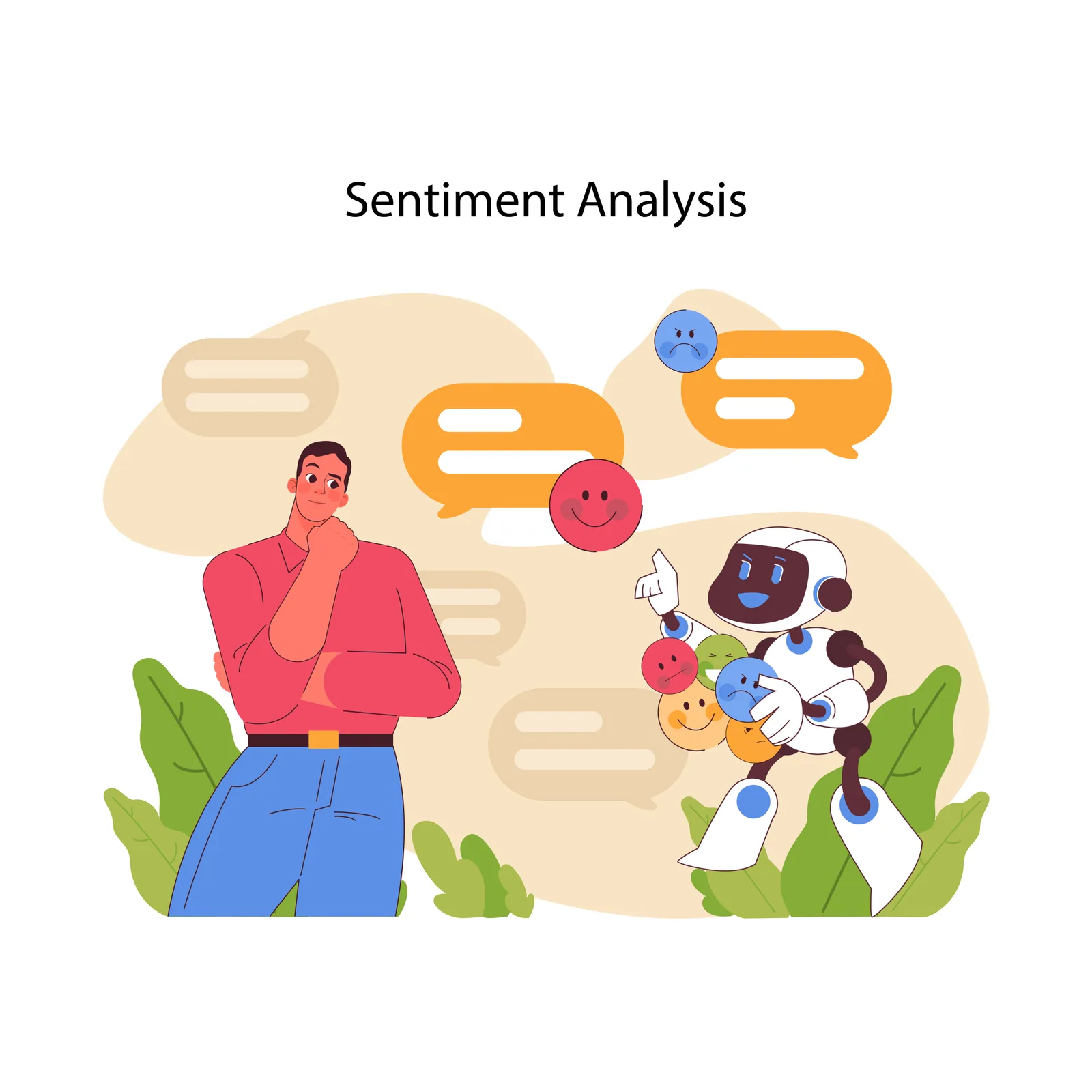
Contextual Analysis of Social Media: The Promise and Challenge of Eliciting Context in Social Media Posts with Natural Language Processing
This article presents the CASM methodology, a team‑based and community‑informed approach to extracting cultural nuance and context from social media for more precise natural language processing, showing that models trained on hand‑labeled CASM data outperform those using generic distant labeling while addressing ethical concerns about surveillance and harm to marginalized communities .
Join the Movement
Take the next step—join the waitlist for my upcoming book or book me for your next event. Let’s build a future rooted in care and connection.
Stay Inspired, Stay Informed

Sign up to receive insights, research updates, and reflections on joyful living, digital healing, and social transformation.